


Nigeria is quietly facing a public health crisis driven by diet-related non-communicable diseases, NCDs, including hypertension, type 2 diabetes, stroke, cardiovascular disease, and diet-related cancers.
According to recent data, NCDs now account for 29 percent of all deaths in the country, disproportionately affecting working-class and poor Nigerians who often discover their conditions too late for affordable treatment.
Health experts caution that this crisis is not simply a matter of personal choice. “Nigerians are not merely making bad choices; they are navigating a marketplace carefully designed to produce those choices,” said Humphrey Ukeaja, a healthy food advocate and Industry Monitoring Officer at Corporate Accountability and Public Participation Africa, CAPPA.
Over the past two decades, Nigeria’s food landscape has been transformed by the aggressive expansion of ultra-processed foods high in sugar, salt, and chemical additives.
These products are strategically positioned in everyday spaces, bus stops, school kiosks, and shopping aisles, while marketing campaigns tie consumption to cultural celebrations, family moments, and social belonging. CAPPA’s monitoring of the 2025 festive season revealed extensive advertising of sugar-laden beverages and processed foods across television, billboards, and digital platforms.
Children are particularly vulnerable. Brand loyalty that begins early can last decades, with schools, parks, and religious centers becoming subtle marketing arenas.
Corporate social responsibility initiatives, including donations to schools and community events, further embed brands into daily life, blurring the line between philanthropy and promotion.
Experts say Nigeria’s regulatory environment has struggled to keep pace with these developments. The excise tax on sugar-sweetened beverages, introduced in 2021, remains modest at N10 per litre, roughly 3-4 percent of the retail price, far below the levels required to significantly influence consumption.
International evidence suggests meaningful reductions occur when taxes increase prices by about 50 percent.
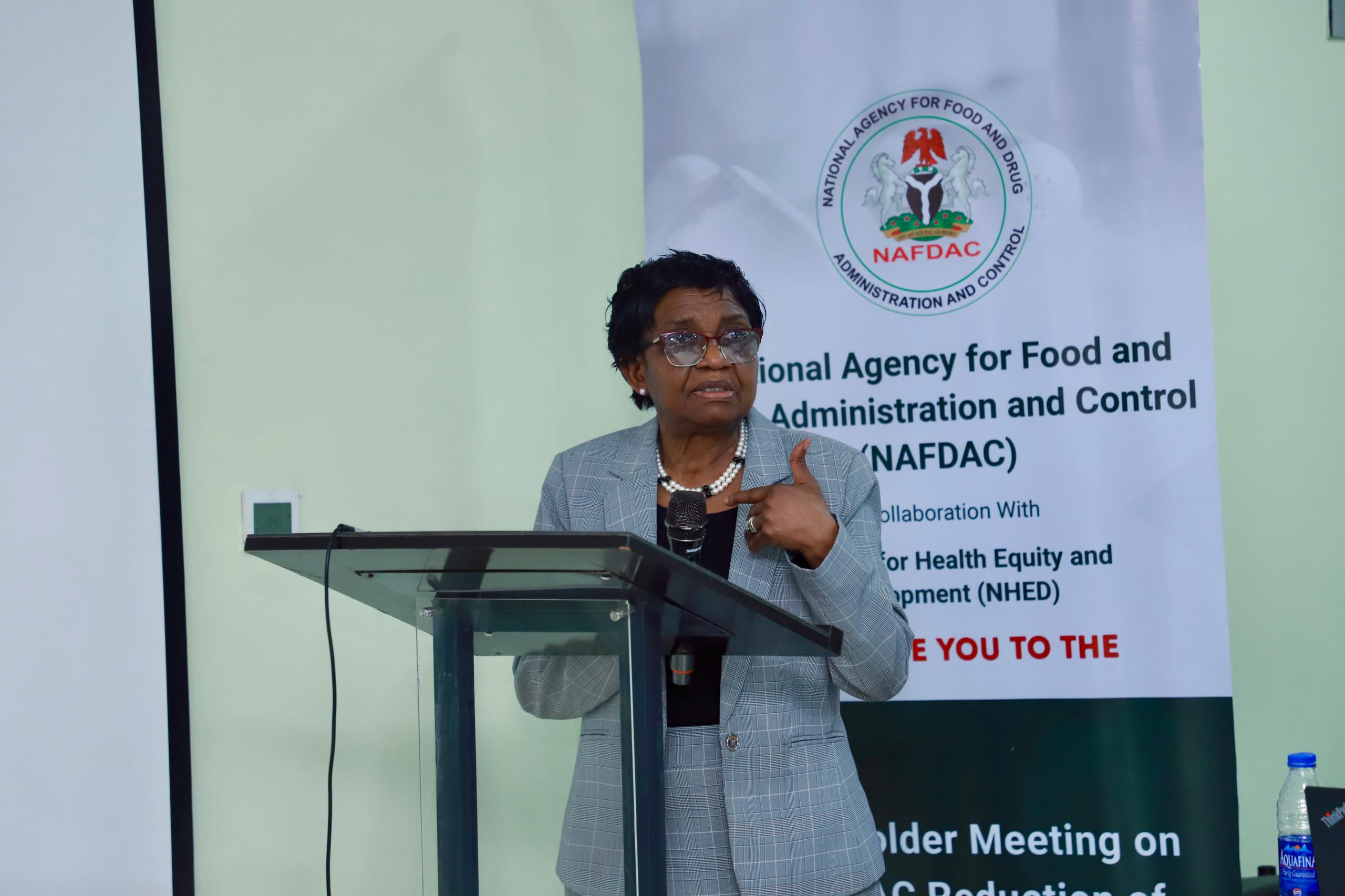
Other measures, such as mandatory front-of-pack warning labels, remain under discussion, while child-directed marketing rules fail to cover digital platforms, influencer campaigns, AI-generated content, and CSR-mediated access to schools. NAFDAC’s current mandate does not extend to festive activations, music festivals, or the occupation of public parks.
Advocates argue that Nigeria must adopt evidence-based interventions that have proven effective elsewhere. Key recommendations include: raising excise taxes on sugar-sweetened beverages to levels capable of influencing consumption, introducing mandatory front-of-pack warning labels to guide consumer choice and enforcing strict restrictions on marketing aimed at children in schools, public parks, and digital spaces
“None of these policies are radical. They are proportionate, implementable, and endorsed by global health authorities, including the WHO and World Heart Federation,” Ukeaja said.
Without decisive action, experts warn, Nigeria risks allowing its food system, driven by commercial incentives, to dictate public health outcomes, with economic and social consequences for generations to come.











Leave a Reply