

In many underserved communities across Lagos, the journey to education is not just about learning, it is about distance, cost, and survival.
For families in parts of Amuwo-Odofin Constituency II, accessing secondary education has long meant a daily struggle, with the nearest school located nearly nine kilometres away.
For parents already grappling with economic realities, the burden of transportation, estimated at about ₦2,000 per child daily, has forced difficult choices. For some, it has meant withdrawing their children from school altogether.
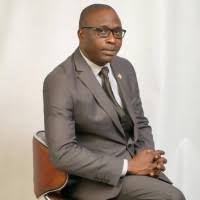
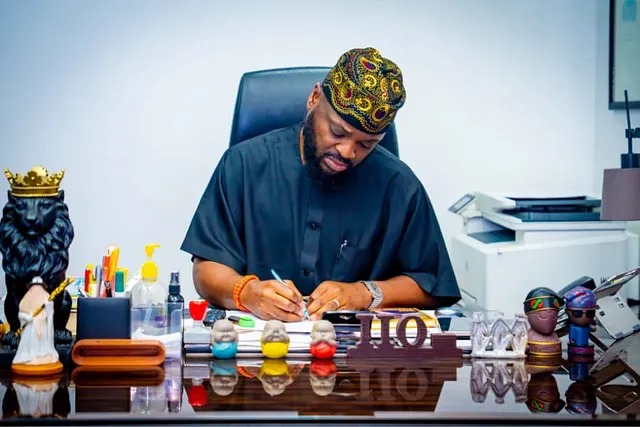
It was this reality that stirred Hon. Kehinde Joseph, a member of the Lagos State House of Assembly, into action.
Rather than wait for government intervention, Joseph chose to act. Drawing on personal resources, support from friends, and collaboration with the state government, he embarked on building a secondary school that is now set to change the narrative for hundreds of families.
“I realised that if we keep waiting, it might take time,” he explained. “But within my capacity, I decided to start something that will directly impact the people.”
The result is a fully equipped public secondary school designed to cater for both junior and senior students. With a projected capacity of at least 1,000 students, the school stands as a response to a pressing community need, access.
But beyond bricks and mortar, the project reflects a broader commitment to educational equity.
The school has secured the approval of the Lagos State Ministry of Education, ensuring it operates within the state’s formal education system. Importantly, it will be free for students, removing one of the biggest barriers to learning for families in the area.
Support also came from the Lagos State Government, with Governor Babajide Sanwo-Olu facilitating the construction of a laboratory to meet required academic standards. The gesture underscores the importance of public-private collaboration in addressing systemic gaps in education.
Equally significant is the role of the host community. The land for the school was donated by the Shokunbi family, a contribution that highlights how community ownership can drive sustainable development.
For Joseph, the vision goes beyond infrastructure. It is about restoring opportunity.
“When children cannot access education, the consequences affect the entire society,” he noted, pointing to the link between lack of schooling and rising social challenges.
By situating the school within the community, the lawmaker hopes to reduce dropout rates, ease the financial burden on parents, and create a pathway for young people to build better futures.
The Lagos State Ministry of Education has already taken over the recruitment of teachers and administrative staff, ensuring that the institution is not only accessible but also functional and sustainable.
As the school prepares for commissioning, it stands as more than just a new facility, it is a symbol of what targeted intervention, collaboration, and community-driven leadership can achieve.
For many children in the area, the long journey to school may finally be over. And in its place, a new journey, one of learning, opportunity, and hope can begin.









Leave a Reply