

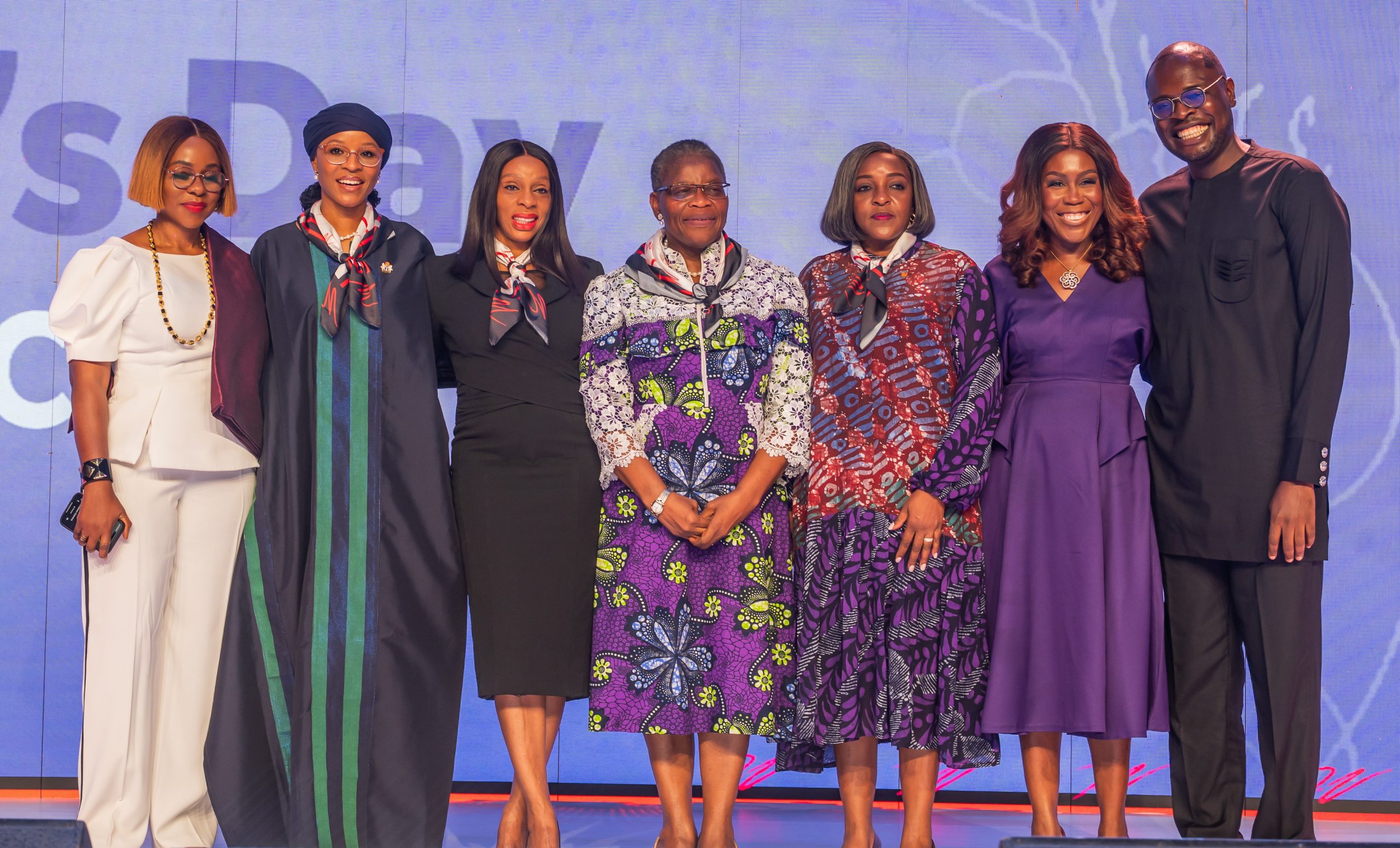
The Federal Government and Access Bank Plc have reaffirmed their commitment to empowering women as key drivers of Nigeria’s creative economy, with renewed focus on access to finance, skills development, and leadership inclusion.
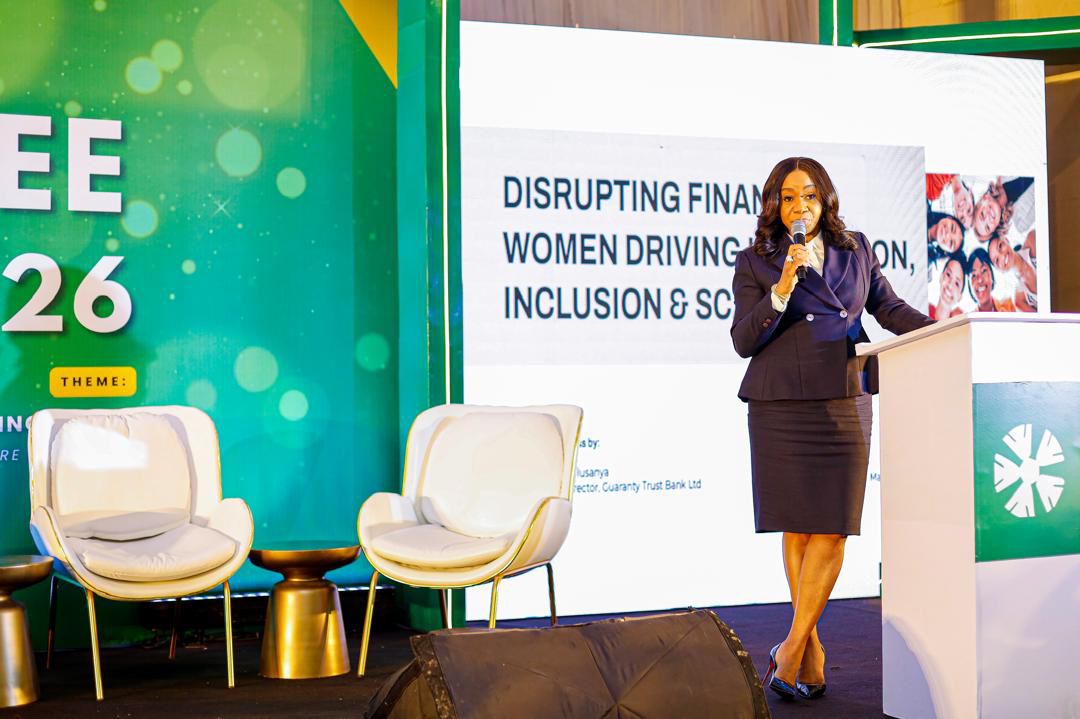
The Minister of Art, Culture, Tourism and the Creative Economy, Hannatu Musawa, made this known during a keynote address at an International Women’s Day conference organised by the bank in Lagos. The event attracted over 5,000 participants across physical and virtual platforms, including stakeholders from the public and private sectors.
Represented by the Director-General of the Centre for Black and African Arts and Civilisation (CBAAC), Aisha Adamu, the minister highlighted the growing role of women in entrepreneurship, innovation, and societal development.
She identified culture, capital, and courage as key drivers of women’s participation in national development, noting that culture remains both a source of identity and an economic asset.
“Across Nigeria, women have always been the invisible architects of our culture, yet their contributions have been underrepresented and undervalued,” she said.
Musawa disclosed that the ministry is repositioning culture as a structured economic sector through initiatives such as creative hubs, enterprise support programmes, and skills development targeting women in film, fashion, digital media, and tourism.
On financing, she noted that while women-owned businesses account for about 40 per cent of small and medium enterprises, they continue to face significant funding challenges.
“Too many ideas remain small not because they lack potential, but because they lack access to capital,” she added, noting that efforts are underway to unlock targeted funding, improve market access, and strengthen data systems to support women entrepreneurs.
Earlier, the Chairman of Access Bank Plc, Ifeyinwa Osime, called for deliberate and strategic investment in women, describing it as essential for sustainable economic growth.
“Empowering women should not be seen as charity, but as a strategic economic decision,” she said, noting that women own about 39 per cent of businesses in Nigeria and drive nearly 40 per cent of new enterprises.
She added that small and medium enterprises contribute about 48 per cent of Nigeria’s Gross Domestic Product and over 80 per cent of employment, but warned that persistent financing gaps continue to limit women’s productivity.
“No economy can optimise its potential while underinvesting in half of its population,” Osime stated.
She highlighted the bank’s interventions, including the W Initiative and Womenpreneur Pitch-a-ton programme, which provide financing, training, and healthcare support to women.
Also speaking, former Minister of Education, Oby Ezekwesili, stressed the need to prioritise women’s inclusion in development strategies.
“There is no other way societies have transformed than when people who care make an issue a priority,” she said, noting that removing structural barriers could significantly boost economic output.
Ezekwesili added that agricultural productivity could increase by up to 30 per cent if women had equal access to resources as men, while commending Access Bank’s support initiatives as critical to scaling women-led businesses.
She urged women to invest in knowledge, build partnerships, and actively pursue financing opportunities, emphasising that shared values remain essential for national and continental growth.
In the same vein, Nene Kunle-Ogunlusi, Group Head, Women Banking at Access Bank, reaffirmed the bank’s commitment to supporting women across all segments. She noted that the bank recently organised a special outreach for market women in Oyingbo, Lagos, providing free health checks, beauty services, and financial education.
The conference underscored a shared commitment between government and the private sector to strengthen women’s economic participation and unlock their full potential in Nigeria’s creative and broader economic landscape.









Leave a Reply